

04 Apr 2026 Author of the Month: Renée Thakali
By Susan L. Peterson
At 21 years old, Conway’s Renée Thakali boarded a plane for Nepal—never imagining the journey would shape the next four decades of her life.
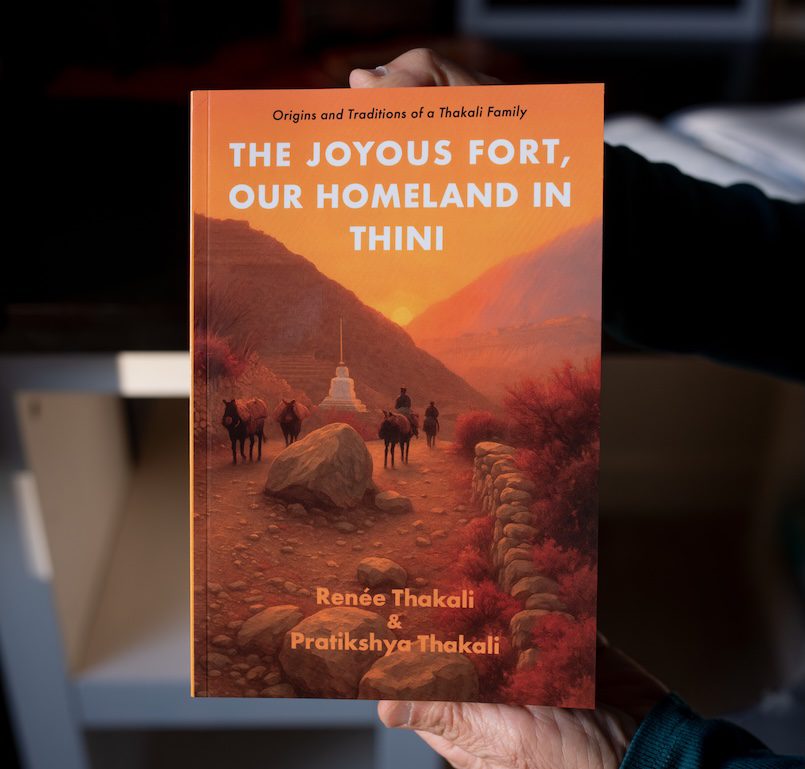
That journey, which began as a Peace Corps assignment in the 1970s, is now captured in “The Joyous Fort, Our Homeland in Thini,” a newly published book co-authored with Pratikshya Thakali.
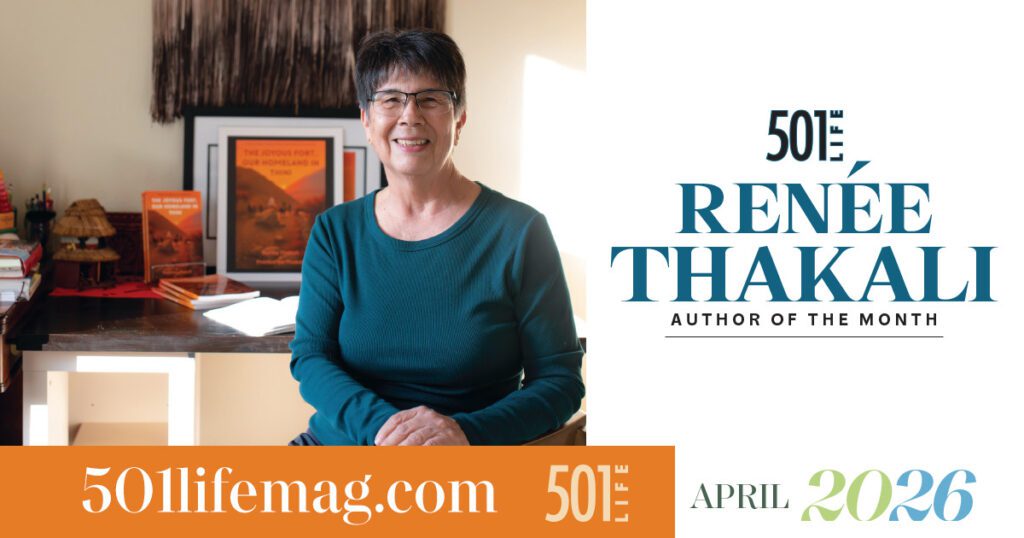
Thini is a small mountain village in Nepal with a population of 500, and the book weaves together its history, culture and people through the dual perspectives of the two authors. Renée writes from her experience as a young Peace Corps volunteer in the 1970s and as a daughter-in-law over the next four decades, while Pratikshya offers the viewpoint of a daughter born and raised in Thini. During the eight years Renée lived in Nepal, she developed a deep attachment to the land and its traditions — and met Aita Thakali, who would later become her husband.
In 1977, at just 21 years old, Renée joined the Peace Corps. She originally planned to become a teacher, but during her senior year of college, she realized the classroom was not her true calling. A chance encounter with a Peace Corps poster in a hallway changed the course of her life. She applied to join that same day and arrived in Nepal just a few months later.
For three months, Renée learned to speak, read and write a new language while living with Nepali families. She was then assigned to Paundur village, a beautiful place that was suffering from devastating damage due to frequent landslides. She engaged the local community in a conservation project to plant a large landslide area with local fast-growing native trees and grasses and started a small forest nursery with the schoolchildren.
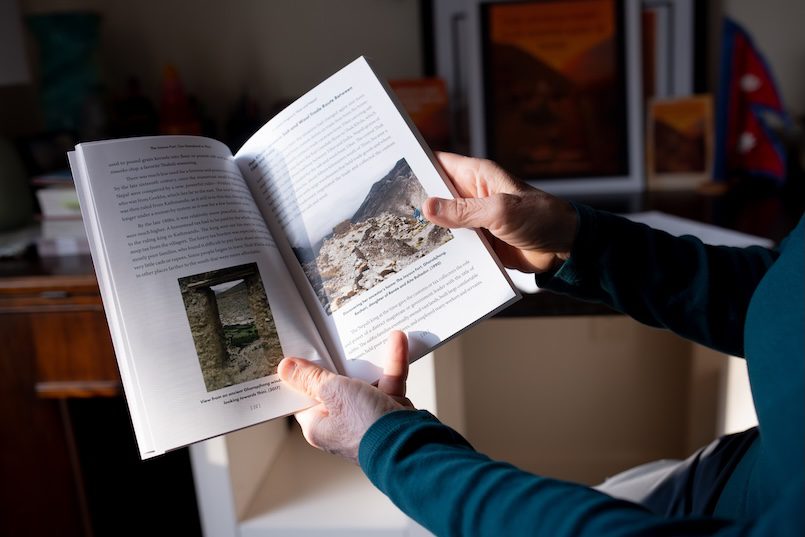
Next, Renée was sent to a more remote village in the Mustang district to start a new soil conservation office and oversee the construction of a forest tree nursery with her Nepali counterpart. Her journey to Thini village in Mustang began with an hourlong flight on a small plane from Kathmandu, the capital of Nepal, to the city of Pokhara nestled close to the towering Annapurna Range of Himalayan mountains, then trekking, up and down steep hills on narrow trails for six days to reach Jomsom, the district center — a place that felt almost untouched by modern times. At the time in 1979, the local homes were constructed with rocks and mud plaster.
There was no running water, no electricity, no indoor plumbing, no telephones and not even glass windows. Huge woolly yaks and large herds of goats and sheep were often running down the dusty main village trails. The only modern convenience in Jomsom was a small airport with infrequent flights due to high winds and bad weather in the high mountains. Despite the lack of modern facilities, Renée immediately felt at home in this high-altitude environment as she was welcomed with huge smiles from everyone she met, offering her cups of hot steaming tea and heaping plates of delicious local foods, not realizing that when she first arrived Thini would later become her home.
Historically, Thini was once a thriving settlement with four monasteries and was the home of King Thokarcen. Today, little remains of that era except the crumbling stone walls of an ancient fort built on a steep hillside in the eighth century to protect its people. This fort inspired the book’s title, and its picture appears on the cover.
Located at the base of the high Himalayan mountains, Renée’s original mission focused on soil conservation projects, but her work expanded to include food preservation projects for the local women using simple methods to air dry local fruits and introduce new seed varieties to grow more vegetables for improved nutrition.
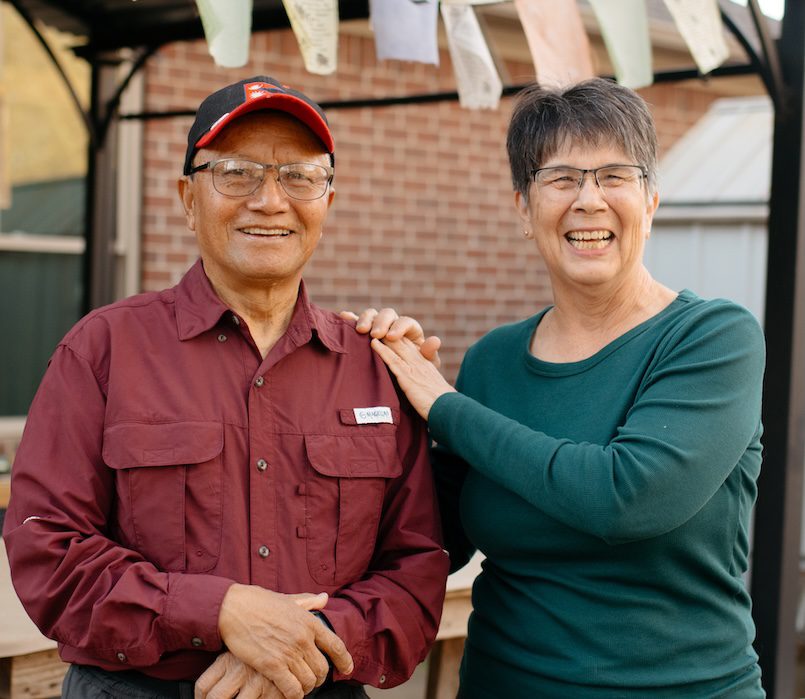
Renée spent a total of eight years in Nepal on two different Peace Corps assignments. During her third year, she met Aita, and the two were married in a civil court there. In her memoir, she reflects on “merging her life with the people through a cross-cultural marriage,” candidly sharing both the joys and challenges of becoming part of a new family in a different country with different expectations of her.
Renée Thakali After returning to the United States, Renée was hired by the USDA Forest Service, and the couple settled into life in small-town America. Aita faced many of the same challenges Renée had encountered in Nepal — learning a new language, adapting to unfamiliar customs and even learning to drive. Their two daughters, Keshari and Jasmina, grew up partly in Nepal and partly in America and learned both English and Nepali.
Over a 37-year career with the Forest Service, Renée’s family lived in several states, including California, Colorado, Arizona and Illinois. In 2018, following her retirement, they moved to Conway to be closer to their daughter, a medical researcher at Arkansas Children’s Hospital and professor at the University of Arkansas for Medical Sciences (UAMS), and to enjoy the year-round cycling, hiking and fishing available here in the Natural State.
The idea for the book gradually took shape after Renée and Pratikshya met for the first time at a family gathering in Atlanta. The two quickly discovered close family connections and began exchanging photos and stories. They eventually realized that the unique traditions and heritage of the Thakali people from Thini should be documented and preserved not only by foreign anthropologists but by a local, authentic voice. The village has experienced so many rapid changes over the past 25 years — to the infrastructure, the economy and the society — affecting the way of life for the younger and future generations.
The co-authors wrote the book remotely. Renée organized much of the material, while Pratikshya ensured cultural authenticity. Renée also enlisted two graduate students from the University of Central Arkansas to edit the manuscript early. After reviewing publishing options, she selected BookBaby.com for its flexible, à la carte services.
Renée and Aita have returned to Nepal many times over the years, and she is proud that some of her early conservation work from x45 years ago can be seen today. For example, small forest groves now cover previously barren slopes. Their next visit will have a new purpose — exploring book publishing and distribution options in Nepal.
Renée says she is grateful for all the warmth and strong community support she has received in Conway while writing and now marketing her new book. “The Joyous Fort, Our Homeland in Thini” is available online and through local book sellers.
- Author of the Month: Brandon D. Campbell - June 14, 2026
- Author of the Month: Renée Thakali - April 4, 2026
- Author of the Month: W. Pat Freeman - March 15, 2026