

04 Apr 2026 The Lagasse way
By Judy Riley
Hard work, persistence and a big heart are the secrets to Mike Lagasse’s lifestyle and his success. He was born on a Naval base in Norfolk, Va., but when his dad retired, the family moved to the Wooster Community in Faulkner County. “My dad was a big influence on my five siblings and me. He stressed the importance of hard work and getting a good education. Through the family’s business, a small service station in nearby Shady Grove, we learned to be honest and fair with everyone and to always use good manners. Dad’s Golden Rule was, if you are on time, you are late!
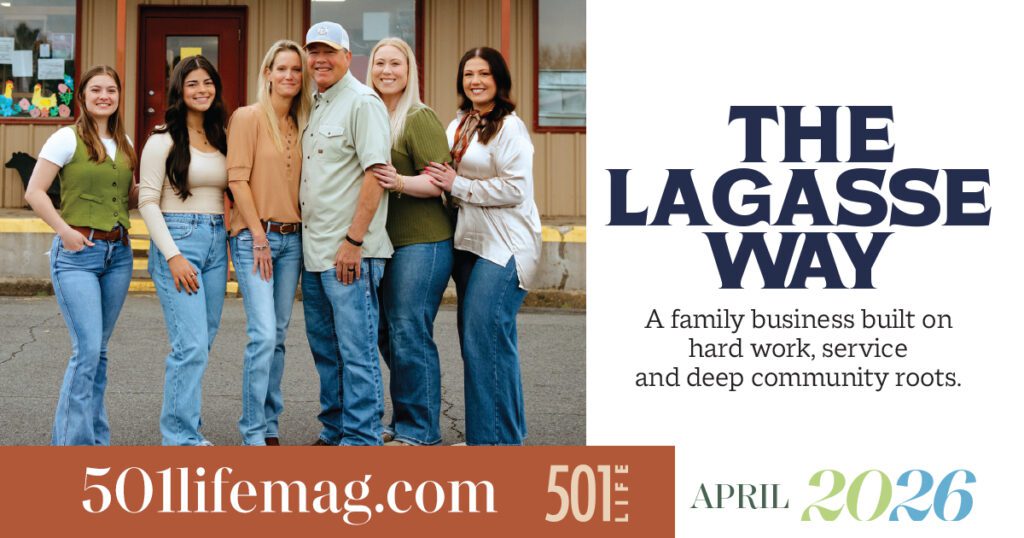
We learned to be punctual and manage our time wisely,” Lagasse said.
Cattle and farming were always an interest for him; he got his first cow in the fourth grade. Later, influenced by agriculture teacher Paul Wilcox at Greenbrier, Lagasse’s attraction to agriculture grew. “Wilcox taught us to show cattle and challenged us to know agriculture. There was always work to do on the farm. In junior high and high school, I learned to fix flats and pump gas working for my dad, and to milk cows on two nearby dairies, the Dunks and the Angels,” he said.
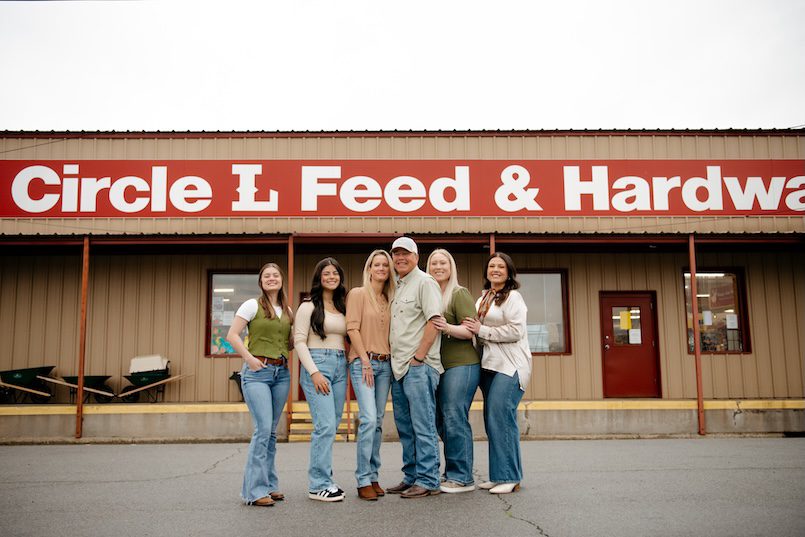
Lagasse attended the University of Arkansas after graduating from high school. His major was animal science with a minor in agricultural business. Both degrees prepared him for his future, but not without work and sacrifice. After his first year of college, he had to take a semester off to work to pay for the next semester. Lagasse did that twice, working construction and washing cars for a car dealership. He graduated in 1989 and went to work for the Southern Farmers Association, a member-owned cooperative with feed stores across Arkansas. He stayed with them for 10 years, managing stores in Searcy, Augusta and Newport.
Lagasse purchased his own feed store in 1999 in Quitman. He began with 1,000 square feet, including a warehouse and showroom. Over the years, Circle L Feed has grown to 20,000 square feet on 5 acres surrounding the store. He caters to farmers and kids in FFA and 4-H with agricultural projects, providing specific feed rations for different species of animals. Circle L Feed has one of Central Arkansas’s largest inventories of animal management and health supplies. As the business grew, as if that were not enough, so did the cattle farm. He now has a herd of 450 momma cows, and he spends most of his time with them.
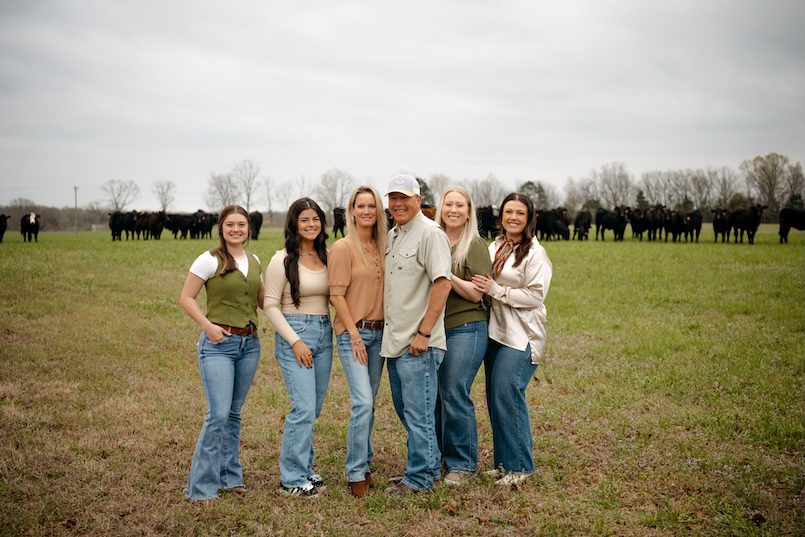
Lagasse has three daughters. Harleigh and Lainie manage the feed store, and Sydney, the youngest, is still in high school but has worked there. His three stepchildren, Will, Austin and Laci, his brother Stephen and several nieces and nephews have worked for him over time. His wife, Donya, works full-time as an asset supervisor for a trucking firm and takes care of the home and the family pets. From the beginning, it has been a true family business. He adds that the employees who aren’t family have worked for them a long time and might as well be family.
Success is simple for Lagasse. It’s hard work, sacrifice and dedication — principles learned at the feet of his parents. In addition, good employees and strong community relationships contribute to this success. “Local folks like to shop local, and we do everything we can to meet their needs. I preach to our employees to go above and beyond in service, whether it is special orders or keeping inventory in stock. After that, we give back any time we can. It might be buying or adding on to other buyers for kids who show animals in four area county fairs, giving to area church pantries and food banks, or supporting youth fundraisers. Our giving has a theme: helping those who have faithfully supported us through the years,” he said.
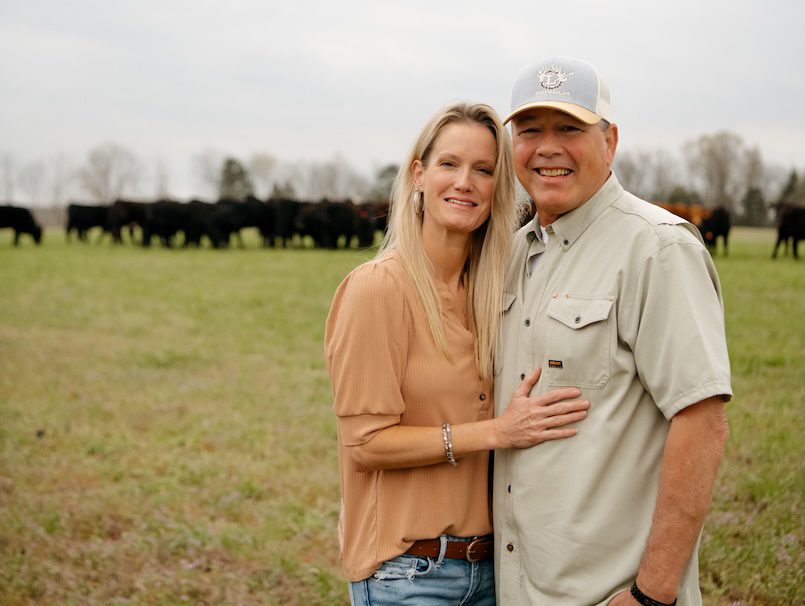
Lagasse is living a lifestyle many would envy, built on these values and close family ties. “The best part of my life is waking up every day, getting to do what I love, having a family-oriented business and cattle farm. I enjoy helping other farmers do what they love. I am grateful for my wife and kids and their support. I am grateful for people continuing to support small family businesses so we can continue supporting agriculture for future generations.”