

02 Mar 2026 Sakura Matsuri to be held at Plantation Agriculture Museum
SCOTT — Join the Plantation Agriculture Museum in a Sakura Matsuri, or cherry blossom festival, held to recognize the arrival of spring and to celebrate the story of the Japanese American families that called Scott home at the end of the Second World War.
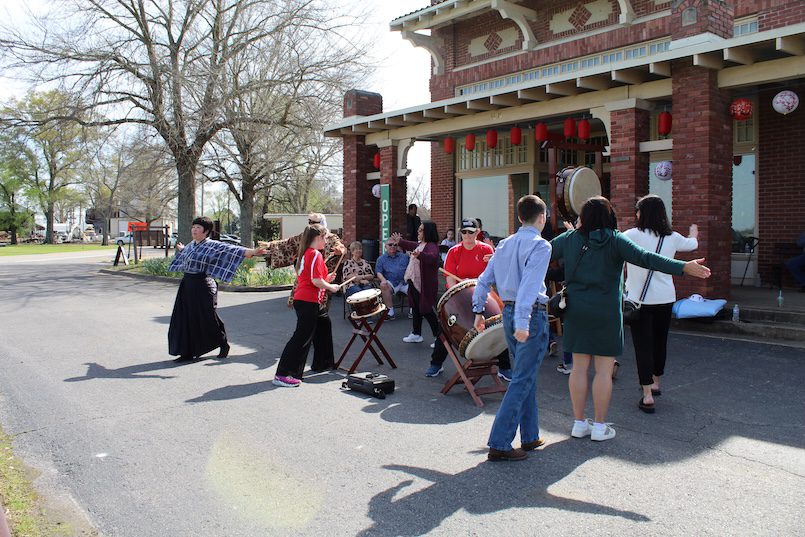
The Sakura Matsuri will be held from 10 a.m. to 3 p.m. on Saturday, March 21, 2026. The event will include games, crafts, food trucks, vendors, martial arts demonstrations, taiko drum performances, and more.
This event will also serve to welcome the museum’s new temporary exhibit—The Arkansas Delta Chinese: From Immigration to Integration and Beyond, which will be hosted by the museum through Sunday, August 9, 2026. Both the Sakura Matsuri and the museum are free of charge.
The Sakura Matsuri is also the beginning of the Plantation Agriculture Museum’s 2026 Spring Break programming. From March 22 through March 29, drop-in programs will be offered each day that the park is open:
Sunday, March 22 – Let’s Play!: Historic Games
Wednesday, March 25 – Folded Together: Origami Cranes
Thursday, March 26 – Stories in Stitches: Paper Quilt Blocks
Friday, March 27 – More Bees Please!: Bee House Building
Saturday, March 28, 2:00 p.m. – Gone for the Gold: Historic Olympic Games
Sunday, March 29 – Senses of Culture: Japanese Carp Windsock Craft ($0.50 each)
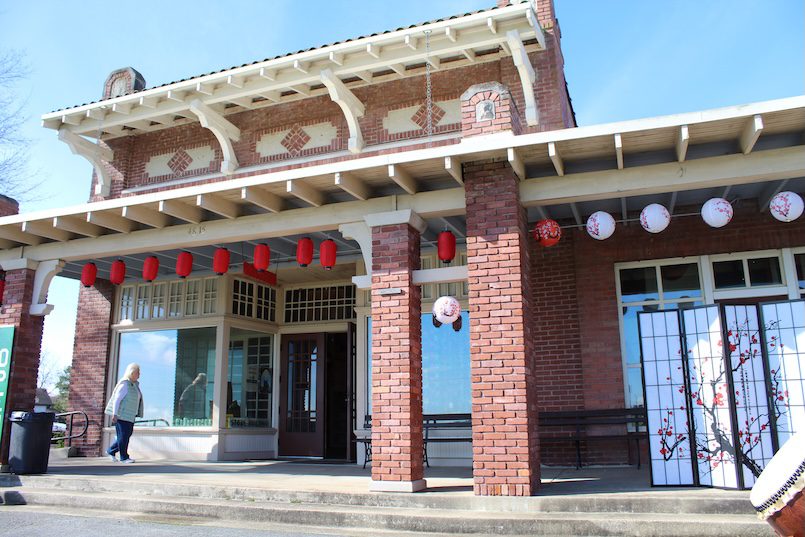
March 18 – 29, including during the Sakura Matsuri, Plantation Agriculture Museum will also be hosting a glass recycling collection. Visitors are welcome to bring recyclable glass to the museum during opening hours so that it may be recycled. Light bulbs, plate glass, and glass containers with lids that cannot be removed cannot be accepted at this event.Located in Scott (an unincorporated area in Lonoke and Pulaski Counties), the Plantation Agriculture Museum preserves Arkansas’s farming history. Exhibits and programs interpret the period from Arkansas’ statehood in 1836 through World War II when agricultural practices became mechanized.