

15 Mar 2026 Rock Region King Bus and the Arkansas MLK Commission are riding into history
The Arkansas Martin Luther King Jr. Commission (ARMLK), in partnership with Rock Region Metro, hosted a ribbon-cutting ceremony on Feb. 26 to officially unveil and launch the commemorative Rock Region King Bus. The ceremony was held at 906 Broadway in Little Rock and was followed by two Black History Month Bus Tours.
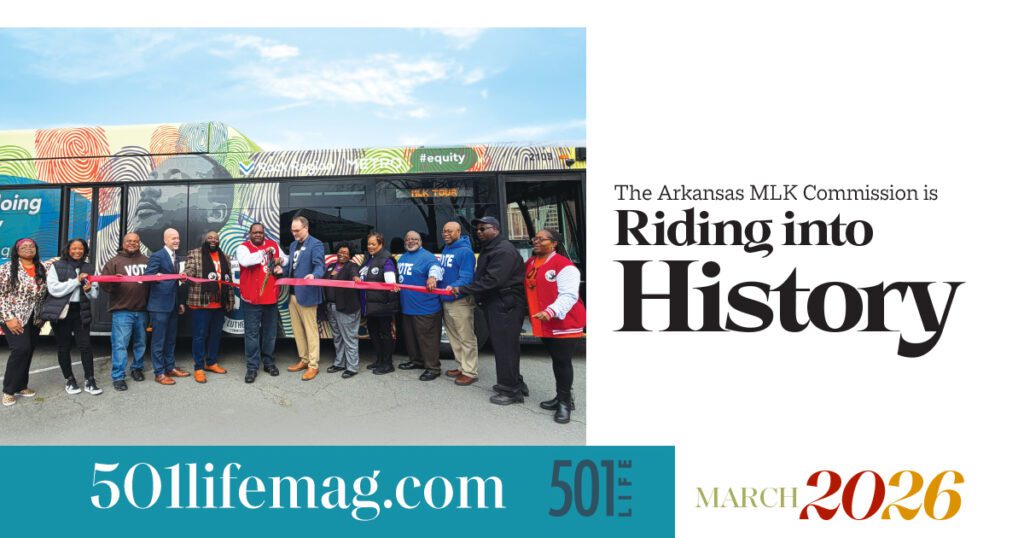
“We are proud to partner with Rock Region Metro to bring history to life in such a visible and meaningful way,” said Dr. DuShun Scarbrough, executive director of the Arkansas Martin Luther King Jr. Commission. “The King Bus represents not only remembrance, but action, continuing Dr. King’s mission of service and civic engagement.”
The King Bus serves as a moving tribute to the life, legacy and leadership of Dr. Martin Luther King Jr., symbolizing service, unity, education and civic engagement throughout Arkansas. The partnership between the Commission and Rock Region Metro reflects a shared commitment to community impact and historical preservation.
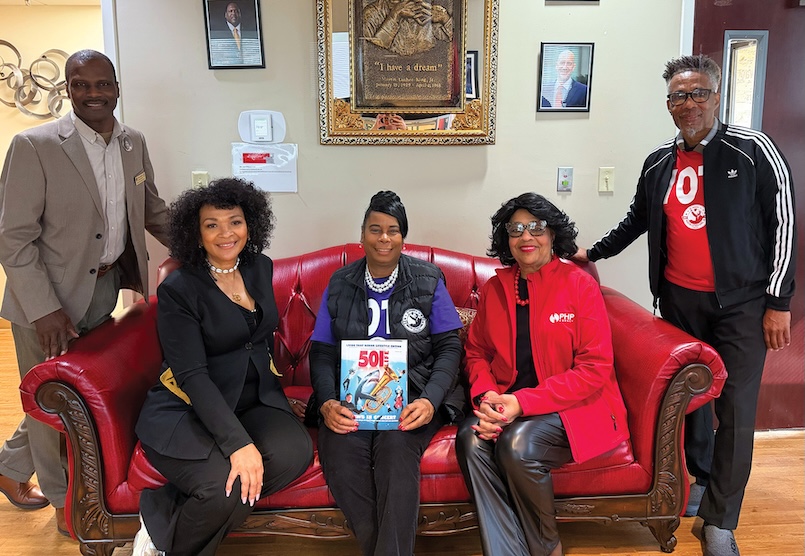
Following the ribbon-cutting ceremony, two bus tours were offered, and Tiffany Pettus, administrative specialist and historian for the ARMLK Commission, served as the tour guide. The educational and inspirational tours highlighted significant landmarks in Little Rock and North Little Rock that are tied to African American history and the Civil Rights Movement. Pettus also noted community contributions and the rich African American heritage that continues to shape Arkansas.
During the tour, Pettus highlighted the impact that Dr. King and many other civic-minded people had on Little Rock and its Black community.
“The Arkansas MLK Commission wants to highlight education and encourage young people to take full advantage of their opportunities and to remember the ones that came before them and paved the way,” she said.
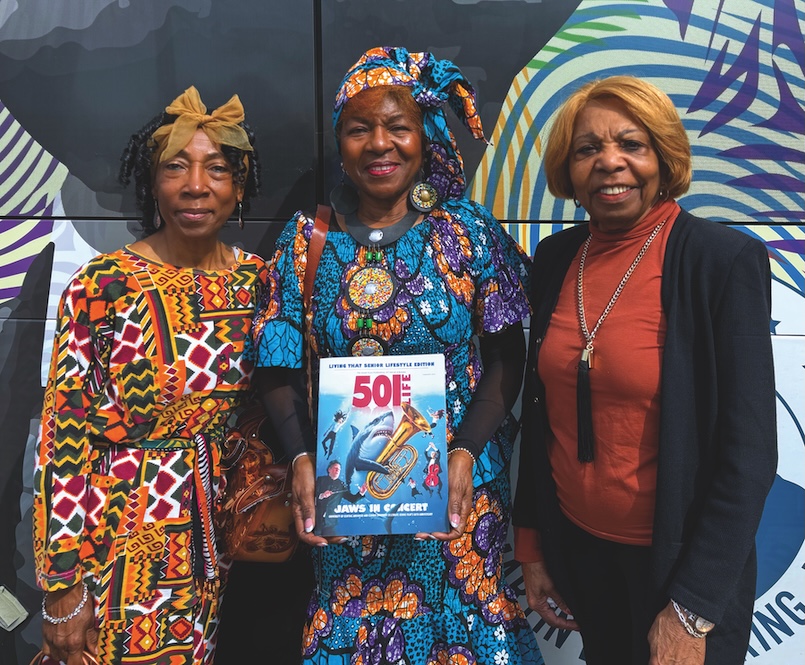
Rock Region Metro provides public transportation services throughout Central Arkansas, connecting communities and enhancing mobility for residents and visitors. The ARMLK Commission is dedicated to promoting racial harmony, nonviolence, service and equal opportunity throughout Arkansas while honoring the legacy of Dr. King. Learn more at arkingdream.org, or call 888.290.KING.
Following the ribbon-cutting ceremony, two bus tours were offered and Tiffany Pettus, administrative specialist and historian for the ARMLK Commission, served as the tour guide. The educational tours highlighted significant landmarks that are tied to African American history and the Civil Rights Movement.
Five of the eight locations are profiled below.
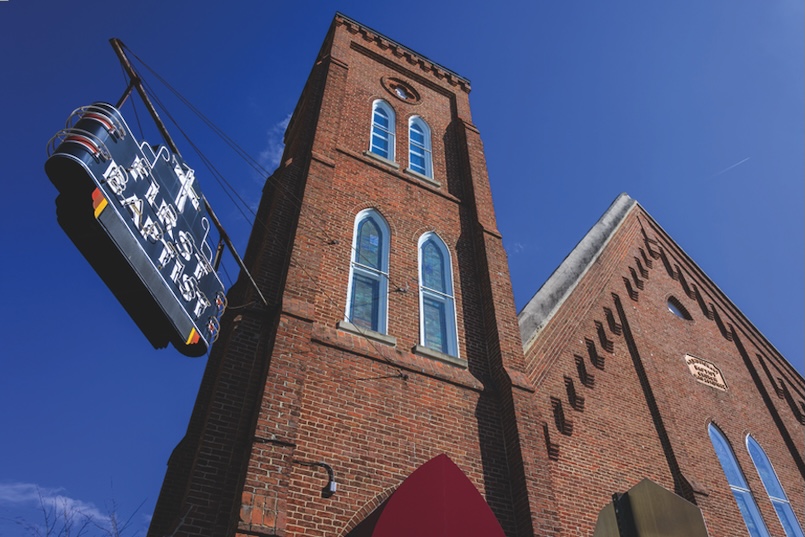
First Missionary Baptist Church
701 S. Gaines St., Little Rock
One of the oldest African American churches in Arkansas, this Gothic Revival structure was built during the Reconstruction era. Its castle-like design symbolizes strength, dignity and faith. Listed on the National Register of Historic Places, Dr. Martin Luther King Jr. spoke in 1963 for the church’s 118th anniversary, four months before the March on Washington, and slept in the church’s parsonage.
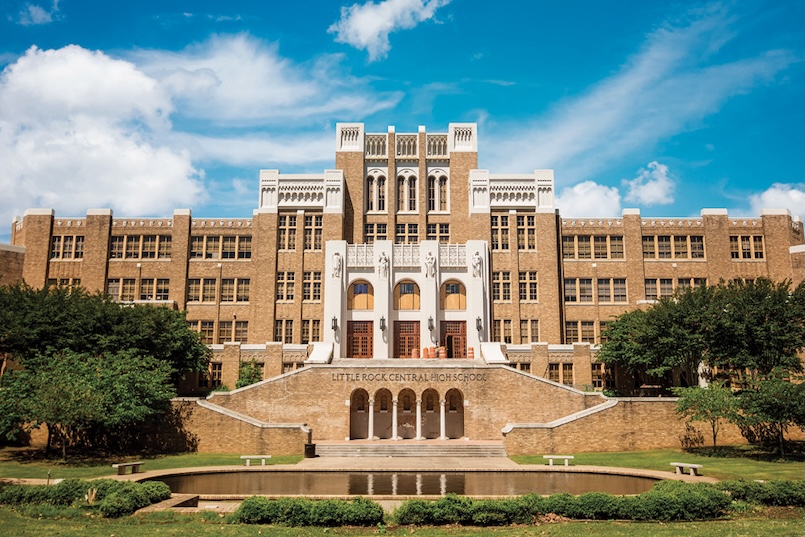
Little Rock Central High School
1500 S. Park St., Little Rock
Built in 1927, Central High became the epicenter of school desegregation in September 1957 when the Little Rock Nine attempted to integrate following Brown v. Board of Education. President Dwight D. Eisenhower deployed the 101st Airborne Division to escort the students to class. The Commission further acknowledged the earlier integrations of the Hoxie School District (1955) and the Charleston School District (1954).
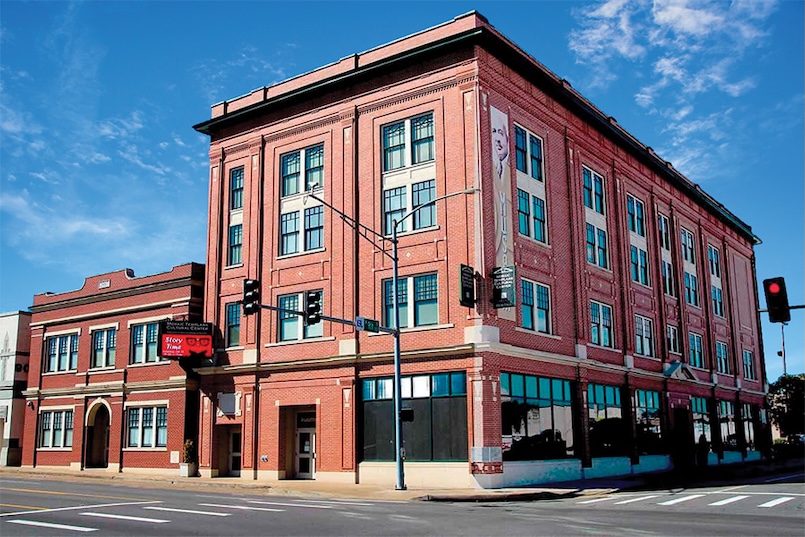
Mosaic State Temple
906 Broadway, Little Rock,
Built in 1921 by African American architect Walter Bailey, this building served as headquarters for the Mosaic Templars of America, a Black fraternal insurance organization founded by Chester Keatts and John E. Bush.
Today, it houses the Arkansas Martin Luther King, Jr. Commission offices and preserves African American history in Arkansas.
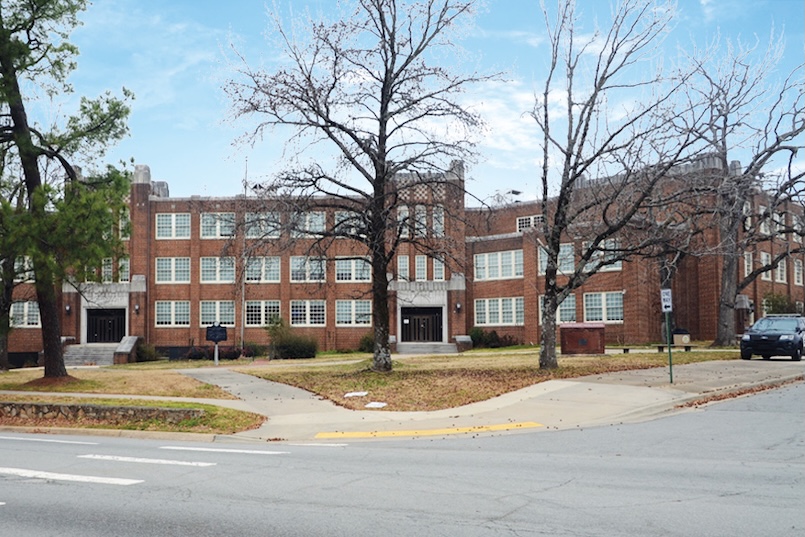
Paul Laurence Dunbar Junior College
1600 S. Chester St., Little Rock
Originally established as the Negro School of Industrial Arts with support from philanthropist Julius Rosenwald of Sears, Roebuck & Co., the institution evolved into Paul Laurence Dunbar Junior College. It provided both vocational and classical instruction — including Latin, physics, carpentry, debate and music — preparing students for four-year institutions.
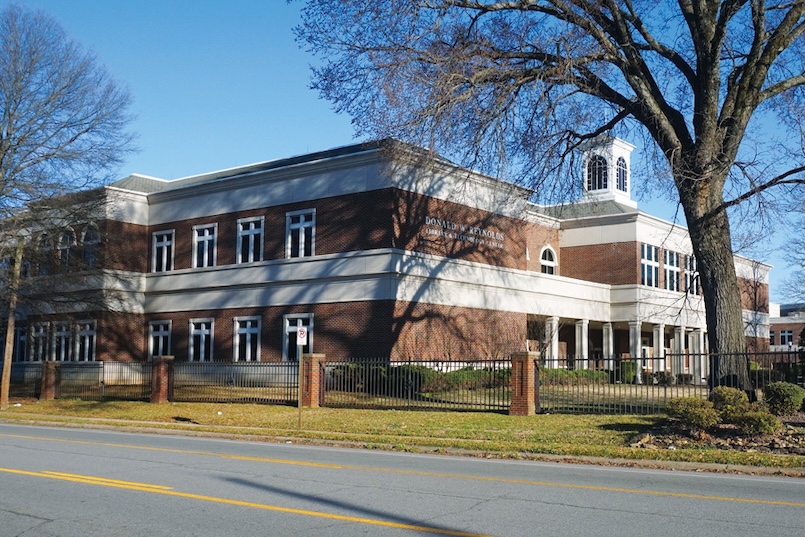
Philander Smith University
900 W. Daisy L. Gatson Bates Dr., Little Rock
Founded in 1877 by the Methodist Episcopal Church to educate formerly enslaved people, Philander Smith is one of 107 Historically Black Colleges and Universities (HBCUs) in the U.S. Named for philanthropist Philander Smith, the university has served as a cornerstone of higher education and opportunity during Reconstruction and beyond.