
15 Feb 2026 It’s time for a praise break
By Diane Barnes
The community of Morrilton is humming about its Second Annual Gospel Explosion event to be held later this month in honor of the origins of Black gospel music. The event is a part of the city’s recognition of Black History Month.
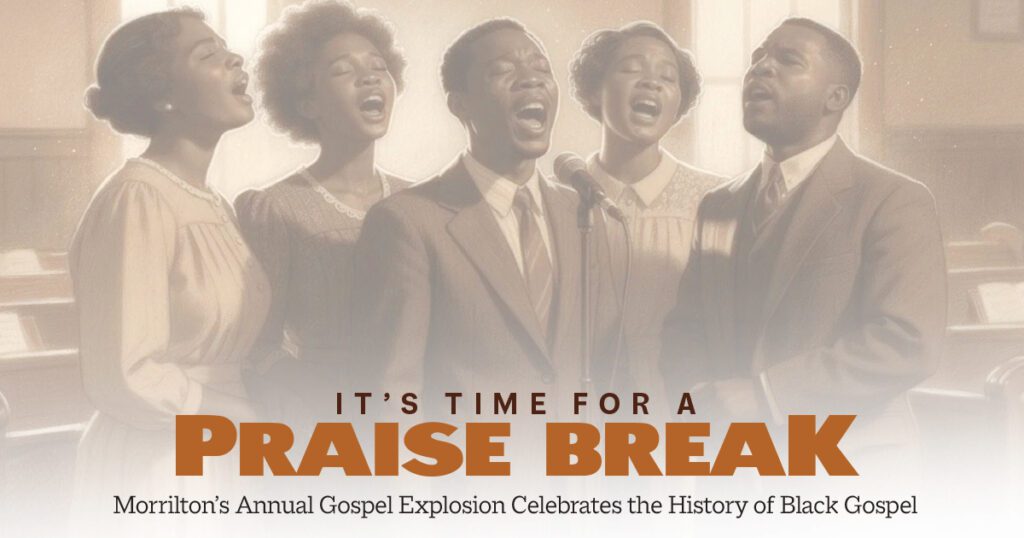
For a little background, the Black gospel music genre, also called gospel or African American gospel, was born from the roots of “spirituals” sung by enslaved Africans in the American South. Many of the songs used by the Underground Railroad expressed suffering, hope and hidden messages for enslaved runaways, and were often sung in the fields.
As a couple of examples of the many songs coded with messages, the song “Wade in the Water” warned runaways of pursuers and encouraged them to abandon the dry trails for water (dogs couldn’t follow their scents in water). The song “Steal Away to Jesus” had a dual meaning, depending on who sang it and under what context. It may have signaled secret meetings for escape, or a call to a secret meeting place. There were many cleverly coded songs created to guide runaway enslaved people or to signal what was to come.
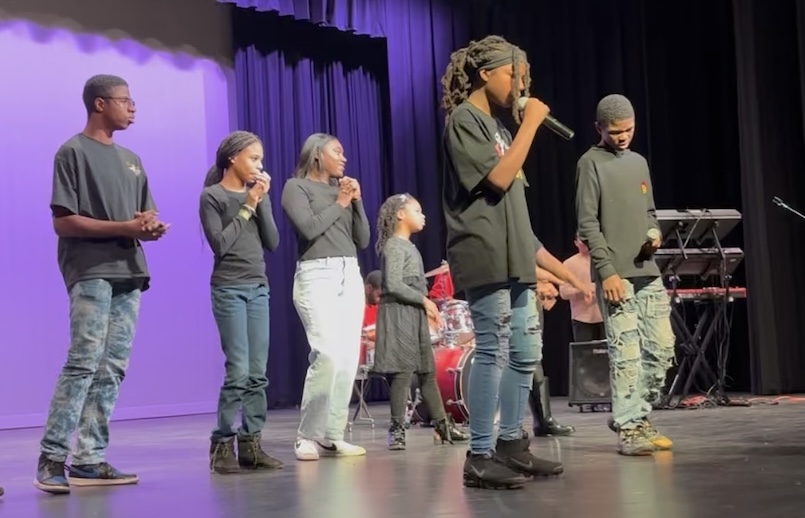
The next major shift in Black gospel came after President Lincoln’s Emancipation Proclamation, which brought on a new kind of praise. It changed from spirituals and turned more toward songs of praise in the form of hymns. The lyrics transformed from the coded expressions of pain and escape to direct songs of freedom, faith, and racial uplift, foreshadowing the freedom songs of the Civil Rights Movement. The songs kept their deep religious roots but shifted focus to celebrating and building community.
Black gospel had a major influence and continues to uplift, heal and inspire. It serves as a deep expression of faith, resilience and cultural identity. It is more than just music; it’s a worship experience, a cultural statement, and a source of hope that connects listeners to their faith and heritage, making it a timeless and influential genre.
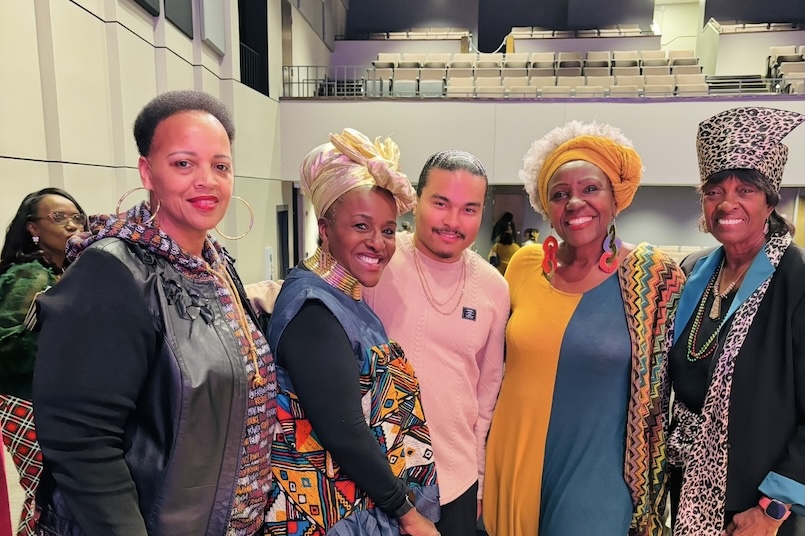
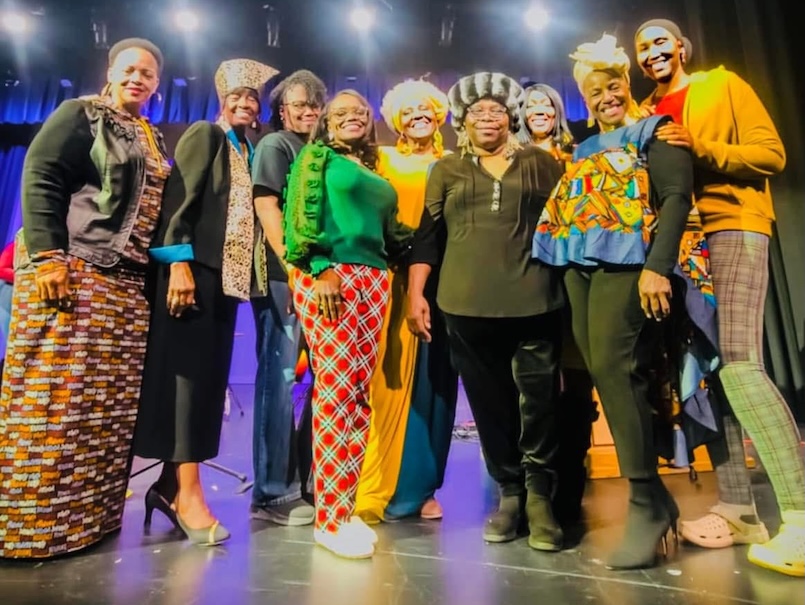
Last February, in recognition of Black History Month, the City of Morrilton hosted its first Gospel Explosion event presented by the Conway County Community Visionaries (CCCV), a 501(c)(3) nonprofit organization that I founded. The group’s inspiration for providing an evening of gospel was its opportunity to share the roots of Black gospel and its keen use during enslaved times. Stimulating others to visualize the power and impact of Black gospel during slavery in the 1700s up to now was our purpose, and Black History Month was a great opportunity to do so.
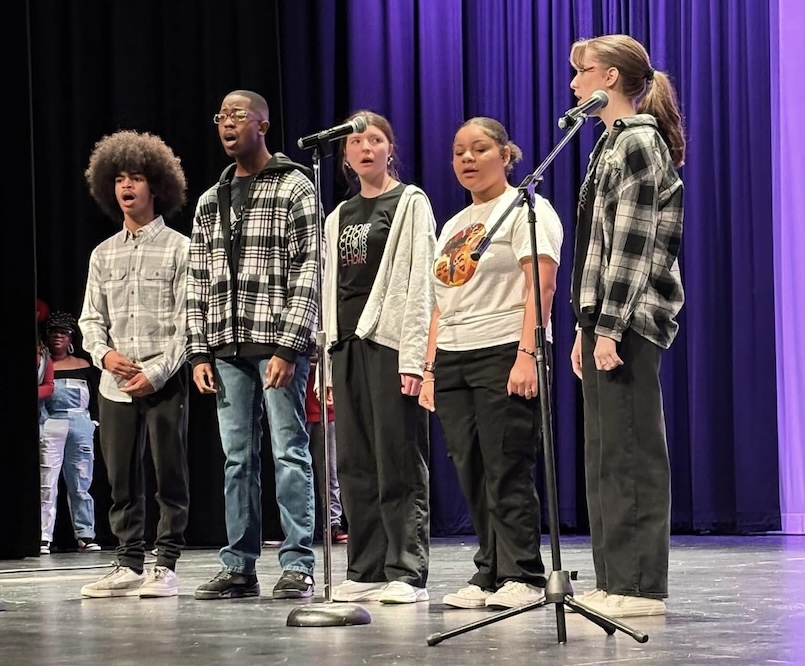
The evening was filled with excitement. Musicians and gospel singers of all ages streamed into the H.B. White Auditorium at Morrilton High School (MHS). Morrilton School Superintendent Shawn Halbrook provided the use of the auditorium, and high school choir teacher Tiffanie Manes led a group of her choir students to perform one of the coded spirituals. A community choir was organized by Morrilton High School Assistant Principal Jasmine Wilson, and there were church choirs, a soloist, a pianist, drummers, Black history poetry and more.
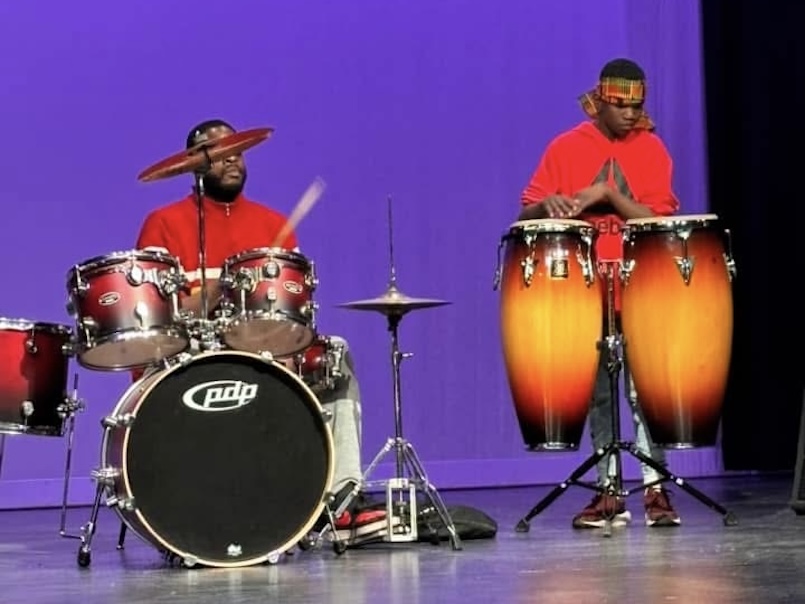
Because everything was so beautifully executed and because of its educational value to the community, the CCCV organization will present the Second Annual Gospel Explosion on Friday, Feb. 27, in downtown Morrilton at the Community Arts Center, 215 E. Broadway St. Doors open at 5 p.m., and vendors will be present. The event is from 6 p.m. to 8:30 p.m., and tickets will be available at the door. They are $10 for adults, $5 for students, and those 5 years and younger are free. African coded spirituals will be playing, and free handouts of coded spirituals will be distributed while supplies last.